Moroccan culture is one of the richest and most layered in the world — a synthesis of Berber (Amazigh) traditions, Arab influences, Andalusian heritage, Sub-Saharan connections, and French colonial history that has produced a distinctive civilization unlike any other. For travelers on Morocco tours, engaging with Moroccan culture and cuisine is not just an add-on — it is the experience itself.
Understanding Moroccan Culture
Religion and Daily Life
Islam is the religion of over 99% of Moroccan citizens and permeates every aspect of daily life. The five daily calls to prayer (adhan) sound from minarets across every city and village. Ramadan — the Islamic month of fasting from dawn to sunset — is observed strictly throughout the country, with profound effects on opening hours, restaurant availability, and social behavior. During Ramadan, eating, drinking, or smoking in public during daylight hours is illegal for Muslims and considered deeply disrespectful by non-Muslims. The fast is broken each evening with Harira soup, dates, Chebakia pastries, and milk.
Berber (Amazigh) Heritage
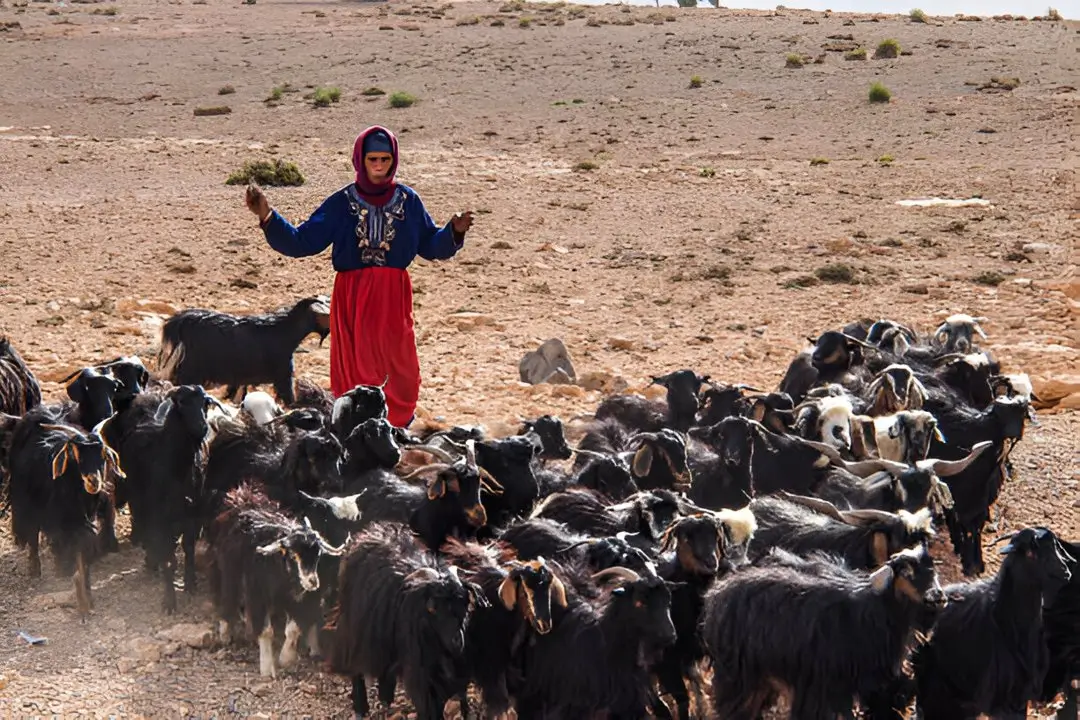
The indigenous Berber people of Morocco — known as Amazigh (plural Imazighen, meaning “free people”) — have inhabited North Africa for at least 12,000 years and remain the ethnic majority in Morocco. Amazigh language (Tamazight) was recognized as an official language alongside Arabic in 2011. Berber culture is especially vibrant in the Atlas Mountains, the Draa Valley, and the pre-Saharan kasbahs. Morocco tours that include time in Berber villages offer some of the most authentic cultural experiences available: traditional mint tea ceremonies, Amazigh music, handwoven carpet demonstrations, and home-cooked tagine lunches.
Moroccan Cuisine
Tagine
Tagine is both the name of the dish and the conical clay cooking vessel in which it is prepared. A tagine is a slow-cooked stew, typically made with chicken, lamb, or beef combined with preserved lemons, olives, dried apricots, almonds, prunes, or a combination of warm spices (ras el hanout — a blend of up to 30 spices including cumin, coriander, ginger, turmeric, cinnamon, and paprika). The conical lid traps steam and returns condensation to the dish, creating an extraordinarily tender, flavorful result. Every Morocco restaurant serves tagine, but the best versions are found in family-run riads and home-cooking experiences.
Couscous
Couscous is Morocco’s national dish — steamed semolina granules served with seven vegetables (carrots, turnips, courgettes, pumpkin, chickpeas, cabbage, and onions) and either lamb, chicken, or merguez sausage, topped with a sweet-savory tfaya onion and raisin sauce. Couscous is traditionally prepared and consumed on Fridays (the Muslim day of communal prayer) with the extended family. The finest couscous in Morocco is made by hand by rolling and steaming the semolina three times.
Pastilla (B’stilla)
Pastilla is Morocco’s most sophisticated dish — a traditional pie of sweet-savory braised pigeon (or chicken), eggs, and almonds wrapped in layers of ouarka (wafer-thin pastry), then dusted with cinnamon and powdered sugar. Originally a Andalusian dish brought to Morocco by Muslims expelled from Spain in the 15th century, pastilla is today the ceremonial dish served at Moroccan weddings and special occasions. In Fes, Marrakech, and Meknes, you can find pastilla in traditional restaurants and family riads.
Moroccan Mint Tea
Moroccan mint tea — “atay” — is far more than a beverage. It is a symbol of hospitality and the ritual through which all Moroccan social interaction is mediated. Made with Chinese gunpowder green tea, fresh spearmint, and sugar, it is poured from a height of 30 to 50 centimetres into small glasses to create a froth — a sign of the host’s generosity. The tea is poured three times: “The first glass is as gentle as life, the second is as strong as love, the third is as bitter as death.” Refusing tea is considered impolite.
Morocco Cooking Class Tours
A Morocco cooking class tour is one of the most enriching experiences available on any Morocco trip. Classes begin with a guided morning visit to a local souk for ingredient shopping — learning to identify and smell the key spices, select fresh vegetables, and engage with market traders. The hands-on cooking session (3 to 4 hours) takes place in a traditional riad kitchen and covers three to four dishes. Classes end with a shared meal. Recommended providers: Souk Cuisine Marrakech, La Maison Arabe, Les Cuisines de Bab Guissa (Fes), and Atelier de Cuisine Essaouira. Cost: EUR 45 to EUR 80 per person.