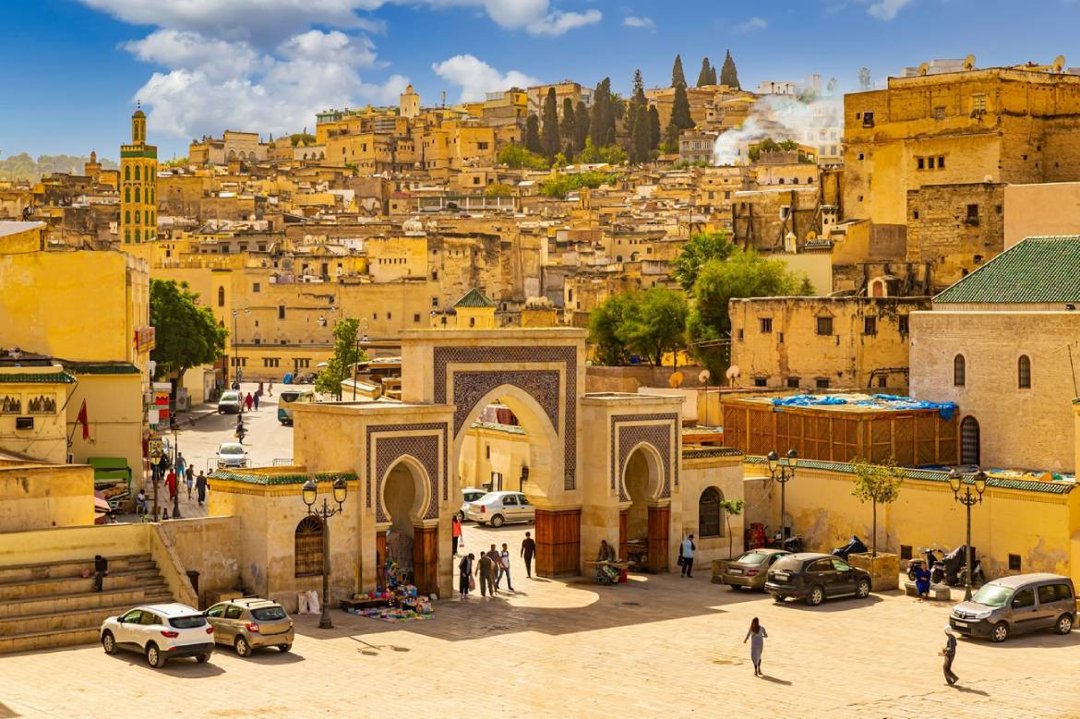
Morocco is widely regarded as one of Africa’s safest tourist destinations, and millions of visitors travel there each year without incident. However, like any destination, Morocco has specific risks and scams that travelers should be aware of. This guide provides an honest, practical assessment of safety for Morocco tours.
Overall Safety Assessment
Morocco’s overall crime rate targeting tourists is low. Violent crime against foreign visitors is rare. The country has a well-functioning tourism police (Brigade Touristique) presence in all major medinas. The Foreign Office advice of most Western nations (UK, USA, Australia, Canada) rates Morocco as a standard-risk destination with no travel advisories against tourism, similar to European Mediterranean destinations.
Common Scams and How to Avoid Them
Faux Guides (False Guides)
The most common issue in Marrakech, Fes, and Tangier is unofficial guides offering to “show you around” and then demanding large fees or leading you to commission-paying shops. The solution: book a licensed guide in advance through your hotel, riad, or tour operator. Licensed guides carry official badges and charge fixed rates (approximately MAD 250 to 400 for a half-day).
Carpet and Shop Scams
Being led into carpet, leather, or argan oil shops by touts is common in Marrakech and Fes. Prices in these shops are inflated by 300 to 500%. If you genuinely want to buy, always negotiate firmly and compare prices across multiple shops. Never feel pressured to buy — a simple “la shukran” (no thank you in Arabic) and walking away is always acceptable.
Taxi Overcharging
In Marrakech especially, taxi drivers sometimes refuse to use the meter and quote inflated fixed prices to tourists. Always insist on the meter (“b’compteur” in Darija Arabic) or agree on a price before entering. Standard city taxi fares within Marrakech’s medina should not exceed MAD 30 to 50 (EUR 3 to 5).
Solo Female Travel in Morocco
Morocco is increasingly popular among solo female travelers and is generally safe for women traveling alone with the following precautions: Dress modestly in medinas and rural areas (loose clothing covering shoulders and knees). Avoid walking alone in the medina after midnight. Use Uber or book taxis through your riad rather than hailing unmarked cabs. Female-only guesthouses and riads are available in Marrakech and Fes. Book tours through reputable operators who employ female guides where available. Many solo female travelers report Morocco as one of their best travel experiences — the key is preparation and choosing the right tour operator.
Health and Medical Advice
Drink bottled or filtered water throughout Morocco — tap water is technically safe in cities but causes stomach upset for many visitors. Avoid ice in drinks outside of upscale restaurants. Sunscreen (SPF 50) and a wide-brimmed hat are essential in summer. Morocco requires no mandatory vaccinations for entry, but the WHO recommends being up to date on Hepatitis A, Typhoid, and routine vaccinations. The European Health Insurance Card (EHIC) is not valid in Morocco — comprehensive travel insurance including emergency medical evacuation is strongly recommended for all Morocco tour travelers.
Morocco Visa Requirements
Citizens of the USA, UK, EU, Canada, Australia, New Zealand, and most Gulf states may enter Morocco visa-free for up to 90 days within a 6-month period. Your passport must be valid for at least 6 months beyond your intended departure date. Entry requirements: return ticket, proof of accommodation (hotel booking or riad reservation), and evidence of sufficient funds (approximately EUR 50 per day is the informal guideline). Morocco may deny entry to travelers with Israeli passport stamps — if this is a concern, carry a second passport or a separate tourist document.