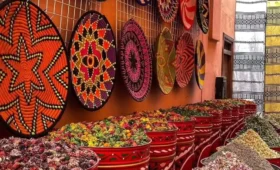
Morocco is a land of extraordinary contrasts — a place where ancient medinas echo with the call to prayer, golden Saharan dunes stretch to the horizon, and the snow-capped Atlas Mountains tower above fragrant valleys of rose and argan. For travelers planning a Morocco tour, this North African kingdom offers an unmatched depth of cultural, historical, and natural experiences that reward careful preparation.
This comprehensive guide covers everything you need to know before embarking on a Morocco tour: where Morocco is, its geography, the best cities to visit, how to plan your itinerary, tour types, costs, safety, accommodation, and the local culture you will encounter along the way.
Where is Morocco?
Morocco is located in the far northwestern corner of Africa, occupying a strategic position between the African continent to the south and east, and Europe to the north across the Strait of Gibraltar. The country is bordered by Algeria to the east and southeast, Western Sahara to the south, the Atlantic Ocean to the west, and the Mediterranean Sea to the north.
Morocco sits at approximately 32 degrees north latitude and 6 degrees west longitude. Its northernmost point, Tangier, lies just 14 kilometers from the Spanish coast, making Morocco the African country closest to Europe. This geographic position has profoundly shaped Moroccan history, culture, and cuisine, blending Berber, Arab, Andalusian, and French influences into one of the world’s most distinctive civilizations.
What Continent Is Morocco In?
Morocco is in Africa, specifically in the Maghreb region of North Africa. Despite its geographical closeness to Europe and its long history of interaction with Spain, Portugal, and France, Morocco is firmly an African nation and a member of the African Union. The Strait of Gibraltar marks the exact boundary between Africa (Morocco) and Europe (Spain). This unique positioning gives Morocco tours a truly cross-cultural character — visitors experience a world that is African, Arab, Berber, and Mediterranean all at once.
Related Article: Countries in Africa — a guide to North Africa’s diverse nations and their geography.
What is Morocco’s Population?
Morocco’s population is approximately 37.5 million people (2024 estimate). The country is relatively young, with a median age of around 29 years. Major cities by population include Casablanca (3.7 million), Rabat (the capital, 1.9 million), Fes (1.1 million), Marrakech (1.0 million), Tangier (900,000), and Agadir (600,000). Morocco is predominantly Sunni Muslim. The population is ethnically composed of Berbers (Amazigh), Arabs, and a smaller number of Sahrawi and other groups. French and Arabic are the two official languages, with the Berber language (Tamazight) recognized as a co-official language since 2011.
What is the Best Time to Visit Morocco?
The best time to visit Morocco depends on where you are going and what type of tour you are planning. As a general rule, spring (March to May) and autumn (September to November) are the optimal seasons for most Morocco tours. During these months, temperatures are mild across all regions — from the coastal cities to the High Atlas Mountains and the Sahara Desert — making outdoor activities, medina walks, and desert camps comfortable.
What is Morocco’s Climate Like?
Morocco has four distinct climate zones that affect tour planning:
- Coastal Mediterranean (Tangier, Casablanca, Rabat, Essaouira): Mild, temperate climate year-round. Summers are warm (22-26°C) and winters are mild (12-18°C). Essaouira is notably windy, especially in summer, attracting kitesurfers.
- Imperial Cities — Semi-Arid Continental (Marrakech, Fes, Meknes): Hot, dry summers (35-42°C in July-August) and cool winters (5-15°C at night in December-January). Spring and autumn are ideal, with daytime temperatures of 20-28°C.
- Atlas Mountains — Alpine/Sub-Alpine: Snow is common between November and March at elevations above 2,000 metres. The Tizi n’Tichka pass (2,260m) can close in winter. Summer temperatures in the mountains are pleasantly cool (15-22°C).
- Sahara Desert (Merzouga, Zagora, M’Hamid): Extreme heat in summer (40-45°C), cool nights in winter (sometimes near freezing). October to April is the most pleasant period for desert tours.
Note: Ramadan (dates shift each year) brings a unique cultural atmosphere to Morocco tours. Most restaurants close during daylight hours, but evening tours come alive with special foods and celebrations. Check the Ramadan calendar when booking.
What are the Top Places to Visit in Morocco?
Morocco’s top tourist destinations span Imperial Cities, Saharan landscapes, Atlantic coastlines, and mountain ranges. Every Morocco tour should be shaped around the following key destinations:
What is Marrakech?
Marrakech — Morocco’s most visited city and fourth Imperial City — is the starting point for the majority of Morocco tours. Located at the foot of the High Atlas Mountains, Marrakech is known for its vibrant medina (old city), listed as a UNESCO World Heritage Site since 1985. The main square, Djemaa el-Fna, is the social heart of the city, filled with food stalls, storytellers, musicians, snake charmers, and acrobats from dusk until midnight. Key attractions in Marrakech include the Koutoubia Mosque (the city’s tallest landmark), Bahia Palace, the Saadian Tombs, the Ben Youssef Madrasa, Majorelle Garden, and the historic souks.
Related Article: Marrakech Travel Guide — a complete guide to Marrakech’s medina, day trips, riads, and restaurants.
What is the Blue City of Morocco?
Chefchaouen, located in the Rif Mountains of northern Morocco, is famous worldwide for its striking blue-painted streets and buildings, earning it the nickname “the Blue City.” Founded in 1471 as a small fortress, Chefchaouen became a refuge for Muslims and Jews expelled from Spain during the Reconquista. The blue color of the buildings is said to have been introduced by Jewish refugees, for whom blue symbolized the sky and heaven. Today, Chefchaouen is a compact, walkable medina easily navigable in a half-day, making it an ideal stop on northern Morocco tours from Tangier or Fes. The main square, Plaza Uta el-Hammam, is the perfect base for exploring the blue alleys.
What is Fes in Morocco?
Fes (also written Fez) is Morocco’s spiritual and cultural capital, home to the world’s oldest continuously functioning university, the University of al-Qarawiyyin, founded in 859 AD. The medina of Fes el-Bali is a UNESCO World Heritage Site and the largest car-free urban area in the world. Key attractions include the Chouara Tannery (one of the world’s oldest leather tanneries), the Bou Inania Madrasa, the Attarine Medersa, the Nejjarine Fountain, and the sprawling souk. Fes is typically a two to three-day stop on Morocco tour itineraries and serves as the northern gateway to Sahara Desert tours.
Related Article: Fes Travel Guide — a complete guide to navigating the Fes medina, tanneries, and day trips.
What is a Morocco Desert Tour?
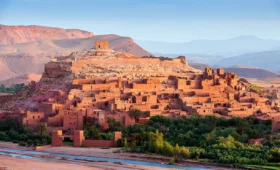
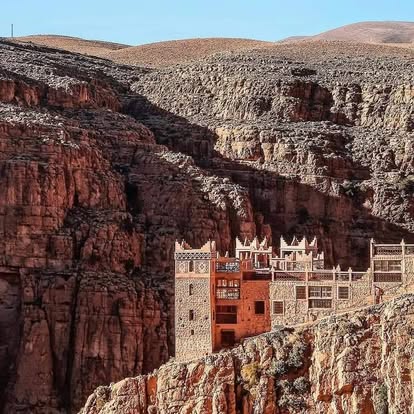
A Morocco desert tour is a guided multi-day excursion from a major city — typically Marrakech, Fes, or Casablanca — into the Sahara Desert region of southeastern Morocco. The classic desert tour route passes through the High Atlas Mountains (via the Tizi n’Tichka or Tizi n’Tinifft passes), the UNESCO-listed Kasbah of Ait Ben Haddou, the city of Ouarzazate (known as the “Hollywood of Africa” for its movie studios), the Dades Gorge, the Todra Gorge, palm oases along the Draa Valley, and finally the Erg Chebbi sand dunes near Merzouga or the Erg Chigaga dunes near M’Hamid.
The highlight of every Morocco desert tour is a camel trek at sunset into the Erg Chebbi dunes and an overnight stay at a traditional Berber desert camp, sleeping in a furnished tent under a sky filled with stars. Most desert tours include dinner, traditional Berber music around a campfire, and an optional sunrise camel ride back to the camp.
What is a Camel Trek in Morocco?
A camel trek in Morocco is the centerpiece of every Sahara Desert tour. Treks depart at sunset from the edge of the dunes (typically from the village of Merzouga in the case of Erg Chebbi) and last between 45 minutes and 2 hours, depending on the location of the desert camp. Each traveler rides a single dromedary camel (the one-humped North African variety), led by a local Berber guide. The experience includes watching the sun set over the dunes, arriving at camp for a traditional dinner, and returning at sunrise the following morning. Camel treks are typically included in the price of multi-day desert tours (ranging from EUR 200 to 600 per person for a 3-day package from Marrakech).
What is Erg Chebbi?
Erg Chebbi is Morocco’s most famous and most visited Saharan dune field, located near the village of Merzouga in the Draa-Tafilalet region of southeastern Morocco. The dunes rise to approximately 150 metres at their highest point and extend roughly 22 kilometres in length and 5 kilometres in width, creating a sea of golden orange sand that shifts color dramatically from gold at noon to deep amber and violet at sunset. Erg Chebbi is approximately 8 to 9 hours by road from Marrakech and 5 to 6 hours from Fes. Most 3-day Morocco desert tours include one night at Erg Chebbi as the main highlight.
What is a Morocco Desert Camp?
A Morocco desert camp is temporary accommodation set up at the edge of the Sahara dunes, typically consisting of traditional Berber-style tents furnished with carpets, blankets, and basic amenities. Camps range from basic (shared tents, communal toilet blocks, simple meals) to luxury (en-suite private tents, hot showers, gourmet Moroccan dinners, and fire shows). A standard mid-range camp costs between EUR 50 and EUR 120 per person per night including dinner and breakfast. Luxury glamping camps charge EUR 150 to EUR 350 per tent. All camps include a communal fire area with traditional music from local Gnawa and Berber musicians.
What are the Types of Morocco Tours?
Morocco tours are available in several formats to suit different travel styles, budgets, and group sizes:
What are Morocco Private Tours?
Private Morocco tours are fully customized trips arranged for individuals, couples, families, or small groups (up to 8 people). They include a dedicated driver-guide, a private vehicle (4×4 SUV or air-conditioned minivan), flexible itineraries adjusted to your pace, and personalized accommodation choices from riads to luxury hotels. Private tours cost between EUR 80 and EUR 200 per person per day depending on the accommodation category, number of travelers, and inclusions. The more travelers sharing the vehicle, the lower the per-person cost. Private tours are the most popular format among international visitors and are bookable directly through Moroccan tour operators or platforms such as Viator and GetYourGuide.
What are Morocco Group Tours?
Morocco group tours operate on fixed departure dates with shared vehicles and pre-set itineraries, typically carrying 8 to 16 passengers. Group tours cost between EUR 40 and EUR 80 per person per day and are the most budget-friendly way to experience Morocco with a guide. Leading international operators running group Morocco tours include G Adventures, Intrepid Travel, and On The Go Tours. These tours are ideal for solo travelers who want to meet like-minded people while still experiencing the key highlights of Morocco.
What is the Best Morocco Itinerary?
The most popular Morocco itinerary structures are based on the country’s key travel corridors. Below are the three most widely booked itinerary frameworks:
What is a 7-Day Morocco Tour?
The classic 7-day Morocco tour is the most popular itinerary for first-time visitors. It covers the essential highlights: Marrakech, the High Atlas Mountains, the Saharan desert at Merzouga, and Fes. A typical day-by-day structure is as follows:
- Day 1: Arrive Marrakech. Evening walk in Djemaa el-Fna. Overnight riad.
- Day 2: Marrakech medina tour — Koutoubia, Bahia Palace, souks, Ben Youssef Madrasa.
- Day 3: Drive Marrakech to Ouarzazate via Tizi n’Tichka (2,260m). Visit Ait Ben Haddou. Overnight Ouarzazate.
- Day 4: Drive through the Dades Valley and Todra Gorge to Merzouga. Sunset camel trek. Overnight desert camp.
- Day 5: Sunrise over the dunes. Drive north through Erfoud, Rissani, Midelt. Overnight Fes or en route.
- Day 6: Full day in Fes — Chouara Tannery, Bou Inania Madrasa, medina souk.
- Day 7: Depart Fes or transfer to Casablanca airport (3.5 hours).
What is a 10-Day Morocco Tour?
The 10-day Morocco tour expands the classic route to include Casablanca, Rabat, Meknes, Volubilis (Roman ruins), and either Chefchaouen (Blue City) or Essaouira (Atlantic coast). The route follows the Imperial Cities circuit (Casablanca-Rabat-Meknes-Fes) and then travels south to the Sahara before returning via Marrakech. This itinerary is ideal for travelers who want both historical depth and natural landscapes.
How Much Do Morocco Tours Cost?
Morocco tours offer exceptional value for money compared to European or North American destinations. Costs vary significantly depending on the tour type, accommodation standard, and group size:
- Budget travel (hostels, shared tours, local transport): EUR 30 to 60 per person per day.
- Mid-range (boutique riads, private tours, guided excursions): EUR 80 to 150 per person per day.
- Luxury (5-star riads, private driver-guide, luxury desert camps): EUR 200 to 500+ per person per day.
A typical 7-day private tour from Marrakech to Fes including accommodation, transport, guide, and desert camp costs between EUR 600 and EUR 1,200 per person depending on the category of accommodation. Group tours of the same route cost between EUR 350 and EUR 600 per person.
What is Morocco’s Currency?
Morocco’s official currency is the Moroccan Dirham (MAD). The symbol is “د.م.” or simply DH. As of 2025, the exchange rate is approximately 1 EUR = 10.8 MAD, 1 USD = 10.0 MAD, and 1 GBP = 13.5 MAD. Dirhams are not easily obtainable outside Morocco, so plan to exchange money upon arrival. The best exchange rates are found at bank counters in city centers and official bureau de change offices rather than at airport exchange booths. Most tour operators accept payment in EUR, USD, or GBP. ATMs are widely available in cities and accept international Visa and Mastercard. Tipping is customary: guides expect EUR 5 to 10 per day per person, and drivers EUR 3 to 5 per day.
What are the Best Morocco Tours from Marrakech?
Marrakech is the most popular departure point for Morocco tours. The following tours and day trips depart regularly from Marrakech:
- 3-day Sahara Desert Tour to Merzouga: The classic route via Ait Ben Haddou, Ouarzazate, Dades, and Erg Chebbi. Cost: EUR 150 to 300 per person (group) or EUR 250 to 500 (private). This is the most booked Morocco tour from Marrakech.
- Atlas Mountains Day Trip: Half-day or full-day excursion to the Ourika Valley, Setti Fatma waterfalls, or the Imlil trailhead (gateway to Mount Toubkal, North Africa’s highest peak at 4,167m). Cost: EUR 25 to 60 per person.
- Ait Ben Haddou & Ouarzazate Day Trip: A full-day tour (approximately 12 hours) covering the UNESCO Kasbah of Ait Ben Haddou and the Atlas Film Studios in Ouarzazate. Cost: EUR 50 to 90 per person.
- Essaouira Day Trip: A 2.5-hour drive to the Atlantic coastal city of Essaouira, famous for its blue and white medina, ramparts, windsurfing, and fresh seafood. Cost: EUR 30 to 50 per person.
- Agafay Desert Dinner & Camel Ride: An evening excursion to the Agafay rocky desert (45 minutes from Marrakech), with a camel ride, Berber dinner under a tent, and live traditional music. Cost: EUR 55 to 90 per person.
- Ouzoud Waterfalls Day Trip: A 3-hour drive to Morocco’s highest waterfalls (110m), set in a gorge filled with olive trees and resident Barbary macaques. Cost: EUR 35 to 60 per person.
Related Article: Marrakech Day Trips — the complete guide to every excursion from Marrakech with prices and booking tips.
What are Morocco Tours from Fes?
Fes is the northern hub for Morocco tours and serves as the gateway to the following excursions:
- Fes to Marrakech Desert Tour (3 days): The reverse of the classic desert route, traveling south from Fes through Ifrane, the cedar forests of the Middle Atlas (where wild Barbary macaques can be spotted), Midelt, Merzouga, the Sahara dunes, Dades Valley, Ait Ben Haddou, and ending in Marrakech. Cost: EUR 180 to 350 per person (group).
- Meknes and Volubilis Day Trip: A half-day excursion to Meknes (30 minutes from Fes), one of Morocco’s four Imperial Cities, and the Roman ruins of Volubilis, a UNESCO World Heritage Site dating to the 3rd century BC. Cost: EUR 30 to 55 per person.
- Chefchaouen Day Trip from Fes: A 3.5-hour drive through the Rif Mountains to the Blue City. Full-day guided tour with a local guide for the medina. Cost: EUR 45 to 75 per person.
Related Article: Fes Day Trips — the complete guide to excursions from Fes including Chefchaouen, Volubilis, and Meknes.
What is Moroccan Culture and Cuisine?
Understanding Moroccan culture and cuisine significantly enhances the Morocco tour experience. Morocco is a Muslim-majority country with deep Berber (Amazigh) roots and significant influences from Andalusian, Arab, Sub-Saharan African, and French cultures.
Key cultural guidelines for Morocco tours: Dress modestly when visiting mosques, medinas, and rural areas (shoulders and knees covered for both men and women). Remove shoes when entering mosques or homes. Always ask before photographing local people. The left hand is traditionally considered unclean — use your right hand for eating, giving money, and greeting. Bargaining is expected in souks — never accept the first price.
Moroccan cuisine is one of the world’s most celebrated. Must-try dishes on any Morocco tour include: Tagine (slow-cooked stew of meat, vegetables, and preserved lemons cooked in a conical clay pot), Couscous (steamed semolina with seven vegetables and meat — traditionally served on Fridays), Pastilla (sweet-savory pigeon or chicken pastry dusted with cinnamon and powdered sugar), Harira soup (a hearty tomato and chickpea soup traditionally served to break the Ramadan fast), Kefta (spiced ground meat grilled on skewers), and Moroccan mint tea (a sweet ceremonial tea poured from a height to create froth — the symbol of Moroccan hospitality).
What is a Morocco Cooking Class Tour?
Morocco cooking class tours combine a guided visit to a local souk (market) for ingredient shopping with a hands-on cooking lesson in a traditional riad kitchen. Classes are available in Marrakech, Fes, Essaouira, and Chefchaouen. A typical 4-hour class teaches participants to prepare two to three dishes (usually a tagine, couscous, and Moroccan salads) followed by a shared lunch. Cost ranges from EUR 45 to EUR 80 per person and includes the market tour, all ingredients, the cooking session, and the meal. Leading providers include La Maison Arabe Marrakech, Les Cuisines de Bab Guissa in Fes, and Atelier de Cuisine in Essaouira.
Related Article: Morocco Culture & Cuisine Guide — a deep dive into Moroccan food, etiquette, festivals, and cultural traditions.
Is Morocco Safe for Tourists?
Morocco is generally a safe destination for international tourists. The country has a well-established tourism infrastructure and consistently ranks among Africa’s most visited nations, welcoming over 14 million international arrivals annually. Violent crime targeting tourists is rare. However, like any tourist destination, Morocco has specific areas of caution:
- Medina touts (faux guides): In Marrakech, Fes, and Tangier, aggressive touts may offer to guide you for money. The best defense is a confident pace, a local guide booked in advance, and politely refusing all unsolicited offers of help.
- Scams in the souks: Common scams include being led to specific shops, overpriced carpet or food offerings, and misdirection in the medina. Booking tours through reputable operators eliminates most of these risks.
- Solo female travel: Morocco is safe for solo female travelers with normal precautions — dress modestly, avoid walking alone in deserted medina areas at night, and consider using female-only guesthouses in Fes and Marrakech.
- Health: Drink bottled water. Food safety has improved significantly in tourist areas. Ensure your travel insurance includes medical coverage and emergency evacuation.
Related Article: Morocco Travel Safety Guide — a comprehensive guide to staying safe on Morocco tours, including scam awareness, solo travel, and health advice.
What are Morocco Tour Visa Requirements?
Morocco operates a visa-free entry policy for citizens of most Western nations for stays of up to 90 days within a 6-month period. Citizens of the United States, United Kingdom, all EU member states, Canada, Australia, Japan, and most Gulf Cooperation Council (GCC) countries do not require a visa to enter Morocco as tourists. Nationalities requiring a visa in advance should apply through the nearest Moroccan embassy or consulate at least 4 to 6 weeks before travel. Requirements: Valid passport with at least 6 months’ validity beyond the intended stay, proof of onward travel (return ticket), hotel booking or tour confirmation, and sufficient funds for the stay. Morocco’s Casablanca Mohammed V International Airport and Marrakech Menara Airport are the two main international gateways for Morocco tours from Europe and North America.
What is a Riad in Morocco?
A riad is a traditional Moroccan house or palace organized around a central interior courtyard or garden, typically featuring a fountain, citrus trees, and a plunge pool. The word “riad” derives from the Arabic “ryad” meaning garden. Riads are the most authentic and highly recommended accommodation option for Morocco tours, found predominantly in the medinas of Marrakech, Fes, Chefchaouen, Essaouira, and Meknes. Unlike conventional hotels, riads have no street-facing windows — the architecture is entirely inward-facing, offering silence and calm in the heart of busy medinas. Riads range from budget guesthouses with shared bathrooms (EUR 25 to 50 per night) to boutique riads with rooftop terraces and plunge pools (EUR 80 to 200 per night) and luxury palace riads (EUR 300 to 1,000+ per night).
Related Article: Best Riads in Morocco — a curated guide to the finest riads in Marrakech, Fes, Chefchaouen, and Essaouira.
What are the Best Morocco Tour Operators?
Choosing the right tour operator is critical to the quality of your Morocco tour experience. The best operators are distinguished by licensed guides, transparent pricing, verified reviews, multilingual services, and responsible tourism practices. Below are the leading Morocco tour operators by category:
- Luxury International: Tauck Tours and Smithsonian Journeys offer fully guided, premium Morocco tours with 5-star accommodations, expert guides, and exclusive dinners in private riads. Cost: EUR 4,000 to 8,000 per person for 10 to 14-day tours.
- Mid-Range International: G Adventures, Intrepid Travel, and On The Go Tours operate excellent group Morocco tours at mid-range prices (EUR 1,200 to 2,500 for 8 to 12 days), using local guides and ethical accommodation partners.
- Local Moroccan Operators: Moroccan-Tour.com, Days Morocco Tours, Marrakech Desert Trips, and Morocco Stars Travel are highly rated local specialists offering private tours with significant flexibility and lower costs than international operators. Cost: EUR 600 to 1,500 per person for 7-day private tours.
- Online Booking Platforms: Viator and GetYourGuide offer day trips, desert tours, and city excursions in Morocco with verified reviews and free cancellation policies.
Related Article: Best Morocco Tour Companies — how to compare tour operators, what to look for in reviews, and which companies offer the best value by travel style.